


Indirect restorations in the posterior segment – how and when?
The development of dental medicine over many years has given us a wide range of dental restorations to address the loss of tooth structure for various reasons.
Each type of restoration has its pros and cons—indications and contraindications for its fabrication and function. One of the principles of modern dentistry is the maximum preservation of tooth tissue and the use of biocompatible materials that fulfill their function within the natural and physiological balance of the entire organism.
Indirect restorations, such as:
-
Inlay
-
Onlay
-
Overlay
-
Veneerlay
belong to a group of minimally invasive restorations used in the posterior region.
What is what, and when is it used?
-
Inlay is used when there is a cavity that does not involve any cusps.
-
If the restoration involves one or more cusps, we’re talking about an onlay.
-
If the cavity covers all cusps, then we perform an overlay.
-
Veneerlay is a modern combination of an overlay and a veneer.
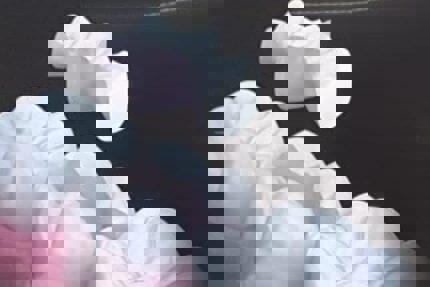
inlay
It’s important to note that these indirect restorations in the posterior region are rarely used in daily dental practice, even though they offer numerous benefits compared to other more commonly used options.
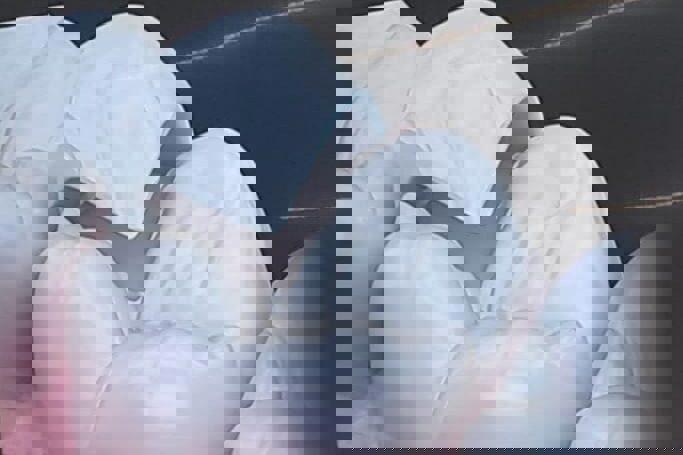
overlay
There are several indications for fabricating the restorations mentioned above, such as:
-
Medium and large cavities involving one or more cusps
-
Restoring medium and large cavities in the same quadrant
-
Raising vertical dimension as part of oral rehabilitation
-
Morphological modification of posterior teeth
-
And many others
Benefits that make them the restoration of choice include:
-
Reduced polymerization shrinkage
-
Improved material properties (abrasion resistance, precise sealing and contacts)
-
Biocompatibility
-
A wide range of available fabrication materials
What comes after tooth preparation?
Once preparation is completed and the tooth is protected against sensitivity, the next step is taking an impression. A precise impression is the golden rule for any indirect restoration, including these.
The material chosen for the permanent restoration should match the indication and tooth condition. Options include:
-
Composite resin
-
Lithium disilicate ceramic
-
Hybrid materials
-
Zirconia
Each material has its advantages and disadvantages, and we choose accordingly.
At the impression stage, the dental technician receives:
-
The preparation impression
-
Antagonist impression
-
Bite registration
-
Shade
-
Material choice
In the meantime, the patient receives a temporary restoration made using a silicone key taken before preparation.
Conclusion
Inlays, onlays, overlays, and veneerlays are restorations that fall between direct restorations (fillings) and crowns. If we value preserving tooth structure—as we should—and if the indications are met, these restorations should be our treatment of choice.
Their longevity depends on adherence to proper protocols at every step of fabrication. While direct restorations might still be preferred for smaller defects (like with an inlay that doesn't involve cusps), onlays and overlays should be seriously considered for restoring the posterior region.